


Buying a BJJ gi is easy… until you compete. The “perfect” training gi can fail inspection because of fit, color, patch placement or even fabric specs, depending on the tournament. So the best way to choose the right gi is:
- Pick the rule set you’ll compete under (IBJJF, AJP, NAGA, SJJIF, etc.)
- Choose the best GSM (fabric weight) for your body, climate and style
- Choose the right weave (how the fabric is built) for durability and comfort
- Confirm measurements and patches so you pass gi check
Short on time? Every gi in this selection is cut for competition: pearl weave or ripstop, standard colors, legal patch placement.
Step 1: Start with the competition you’re targeting
If you want one gi that works for most tournaments, buy a gi that’s legal under the strictest common standards (usually closest to IBJJF/AJP): white, royal blue or black, standard cut, minimal patches and compliant measurements. IBJJF lists allowed gi colors and strict measurement checks (sleeves and pants within 2 cm tolerance) on its uniform requirements page.
AJP Tour publishes similar uniform policies, but its measurement tolerances differ (commonly 5 cm in its published uniform policy).
Some circuits are more relaxed (NAGA allows any color gi), but still enforce cleanliness, length and safety rules (NAGA rules).
Step 2: Understand GSM (what it is and why it matters)
GSM = grams per square meter. It’s the easiest number to compare how heavy and thick the gi fabric is.
What GSM changes in real life
- Higher GSM: more durable, more “structured”, often harder to fold and pack, hotter, can feel stiff at first
- Lower GSM: lighter, cooler, easier to travel with, dries faster, but may wear out sooner
Practical GSM ranges (the ones people actually buy)
- Lightweight: ~350–425 GSM (cooler and travel-friendly)
- Midweight (sweet spot): ~425–550 GSM (durable and comfortable)
- Heavyweight: ~550–750+ GSM (tank-like durability, usually hotter)
Competition GSM matters (IBJJF-style specs)
Many competitors aim for a midweight gi that fits within widely cited IBJJF manufacturer guidelines. One commonly referenced breakdown includes jacket 380–650 GSM and pants 220–300 GSM (source).
Rule of thumb for most people:
If you want one do-it-all gi, choose a midweight jacket (around 425–550 GSM) and pants that aren’t overly heavy: comfortable for training, durable enough for hard rounds and typically safer for inspection.
Our competition-ready gis


Step 3: Choose the right weave (and why weave beats marketing)
The weave is how the gi fabric is constructed. It affects:
- grip feel (slippery vs textured)
- durability (how fast it frays)
- shrink behavior
- heat and drying time
- how the gi moves when you scramble
The most common BJJ gi weaves
Pearl weave (the best choice for beginners)
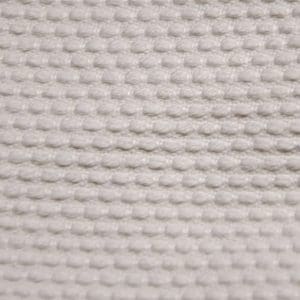
- Most popular today: strong, not too heavy, good breathability
- Great “one gi only” choice (training and competition)
Single weave (for competition rather than daily training)
- Lighter and often cheaper
- Can feel soft and break in quickly
- Typically less durable than pearl (varies by brand)
Gold weave
- Classic old-school feel, often heavier than pearl
- Durable but can run warm
Double weave (for training)
- Very thick and durable, very warm
- Not ideal for hot gyms or frequent travel
Ripstop (usually pants, sometimes jackets, great for competition)
- Lightweight, resists tearing, dries fast
- Common in pants; many competition standards accept ripstop pants in specific constructions
Want ripstop on the jacket too? The Signature BJJ Gi uses a rare Diamond Ripstop fabric.
Weave vs competition compliance
If you compete under stricter rule sets, the safe play is:
- Pearl weave jacket
- Standard pants (many are twill; some are ripstop depending on the spec)
IBJJF’s uniform page emphasizes cotton or cotton-like woven fabric and states that the gi can’t be so thick or hard that it prevents gripping (IBJJF).
Step 4: Make sure your gi passes inspection (fit is the #1 failure)
A gi can be the “right size” for training and still fail competition checks, especially after shrinkage.
IBJJF uniform checkpoints (high-level)
- Allowed colors: white, royal blue, black
- Sleeves: must come to within 2 cm of the wrist with the arm extended
- Pants: must be within 2 cm of the ankle bone
- Checks include collar thickness and width, and sleeve opening measurements
IBJJF also notes updated uniform rules since the 2024 Gi World Championships and references a gi-checker tool (IBJJF uniform page).
AJP Tour quick uniform checkpoints (high-level)
AJP Tour’s uniform policy mirrors many IBJJF concepts (colors, patches), with measurement tolerances commonly listed at 5 cm for sleeves and pants.
NAGA quick uniform checkpoints (high-level)
- Any color or color combination gi is allowed (NAGA FAQ)
- They still enforce sleeve and pant length minimums and forbid uniforms that are unsafe or inappropriate (e.g. offensive designs)
SJJIF-style (via SJJCANF summary page)
- Colors: black, white or royal blue only
- Sleeve and pant tolerances and collar specs, including lapel thickness limits (SJJCANF)
Not sure about your size? Every Half Moon gi page has a size chart. If you follow it and the fit is wrong, we cover the exchange.
Quick comparison: which gi choice is safest across rule sets?
If you want “one gi for everything”
- Color: white, royal blue or black (avoid mixed-color lapels and collars)
- Weave: pearl weave jacket (safe, common, balanced)
- GSM: midweight jacket (in the middle of accepted ranges)
- Patches: minimal, sewn cleanly, placed where allowed
- Fit: don’t gamble: pre-wash, then re-check sleeve and pant length (shrinkage is real)
If you mostly train (no competitions soon)
- comfort (softer fabric, lighter weight)
- style (more colors, more patches if your gym allows)
- budget
Training only? Browse our freestyle gis for bolder designs.
If you compete under IBJJF or AJP soon
- strict color compliance
- correct measurements
- conservative patching
- avoid anything unusual (painted designs, odd collar colors, unusual cuts)
The BJJ gi buyer checklist
Before you buy
- ✅ Which tournaments will I enter? (IBJJF / AJP / NAGA / SJJIF / local)
- ✅ Does the rule set restrict gi color?
- ✅ Do they enforce strict sleeve and pant tolerances?
Specs
- ✅ Weave: pearl weave is the safest all-around pick
- ✅ GSM: midweight for most people; avoid extremes if you compete often
- ✅ Pants: durable, not overly thick; consider drying time if you train a lot
Inspection
- ✅ Sleeve and pant length after washing and drying
- ✅ Collar thickness and width, sleeve opening (some events measure)
- ✅ Patches are sewn and in allowed zones
Tournament day
- ✅ Bring a backup gi (especially if you’re near the measurement limits)
Ready to pass gi check?
Competition-cut gis for men, women and kids.
FAQ
What GSM gi is best for beginners?
A midweight gi is usually the easiest starting point: durable enough for daily training, not unbearably hot, and commonly competition-friendly. If you plan to compete under IBJJF-style specs, make sure your jacket and pants fall within commonly referenced GSM ranges.
Is pearl weave better than gold weave?
Pearl weave is the modern default because it balances durability, weight and breathability. Gold weave often feels heavier and warmer but can be very durable.
Can I wear any color gi in competition?
It depends. IBJJF and AJP list white, royal blue and black as permitted colors. NAGA explicitly allows any color or color combination.
Do competitions measure sleeve and pant length?
Yes, many do. IBJJF lists sleeve and pant tolerances and other measurements on its uniform page.
Which Half Moon gi should I pick for IBJJF competition?
Start with our IBJJF-legal gis. The Signature BJJ Gi (Diamond Ripstop) is our flagship, the BJJ Genesis suits those who like a heavier gi, and women can go for the Queen of Mats 550 GSM.